What is the difference between Companion Care, an HHA, and a PCA?
Elegance at Home offers two primary levels of in-home care: Companion Care and Home Health Aide (HHA) care. Understanding the difference helps families choose the right level of support from the start.
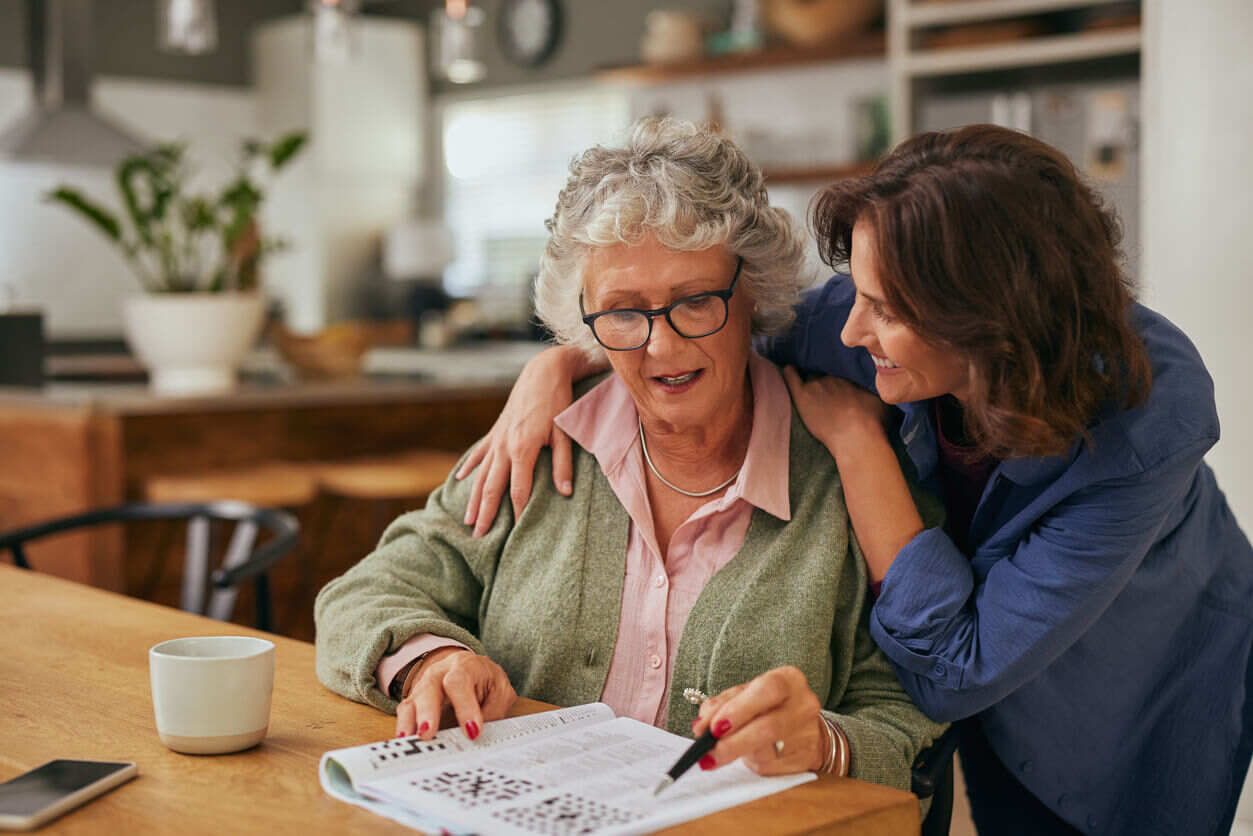
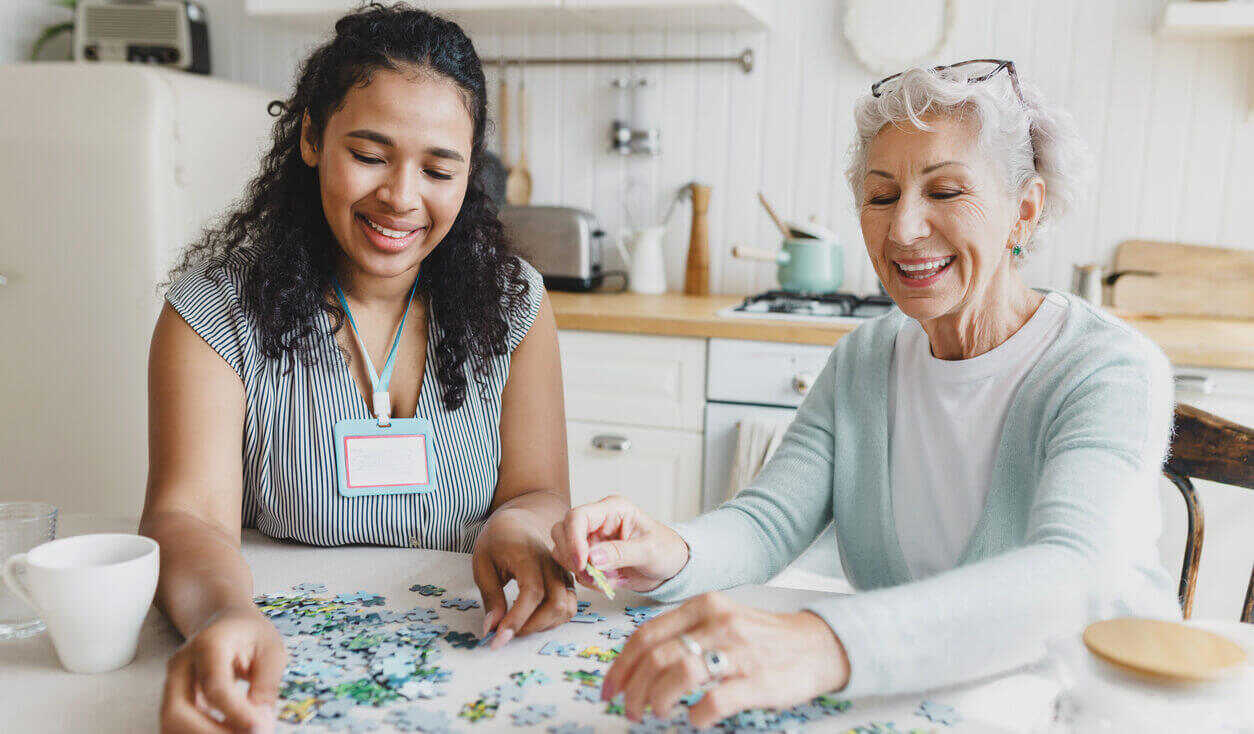
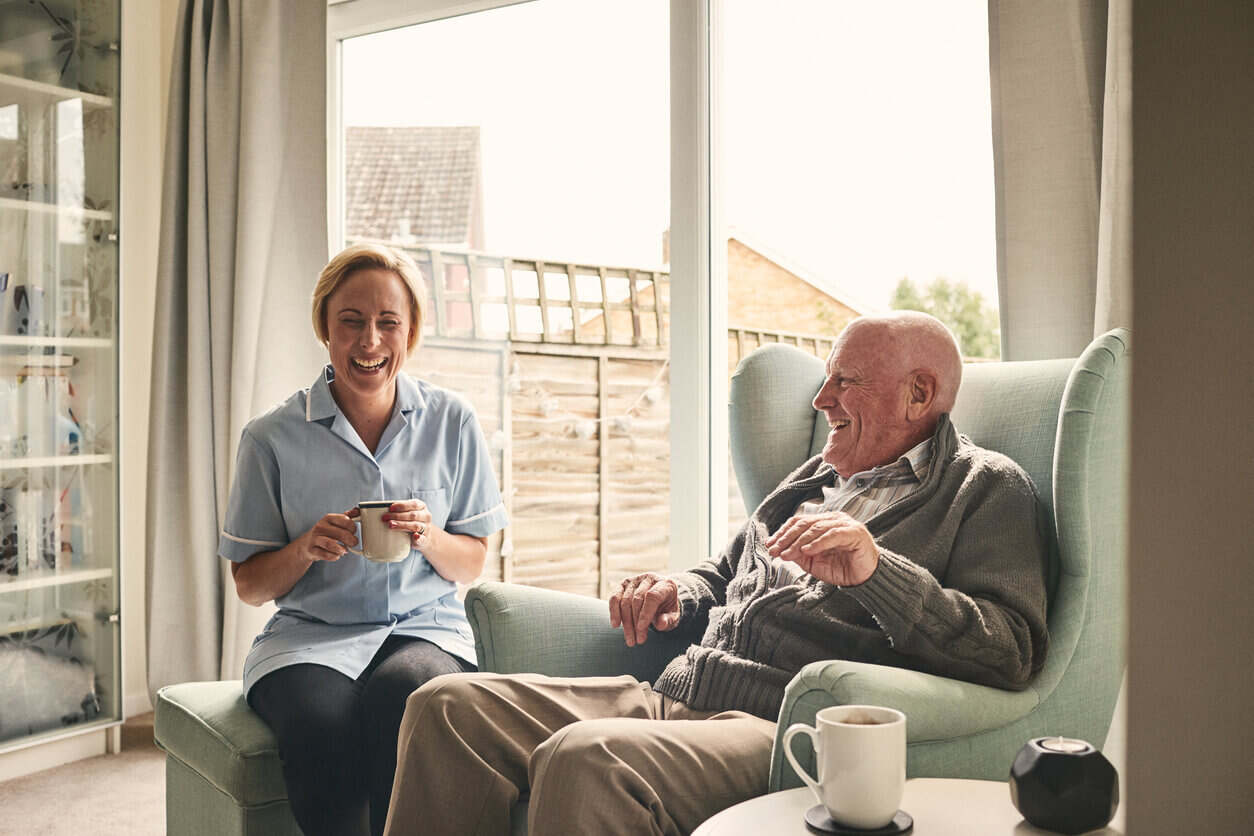
Companion Care is designed for clients who need a helping hand with daily life but do not require hands-on personal care. Companion caregivers provide companionship, safety supervision, light housekeeping and laundry, meal preparation, and escort to appointments or errands. Importantly, Companion Care does not include any hands-on physical assistance, and these cases are not supervised by a nurse. For families who need this type of support, Companion Care is offered at a lower rate than HHA services.
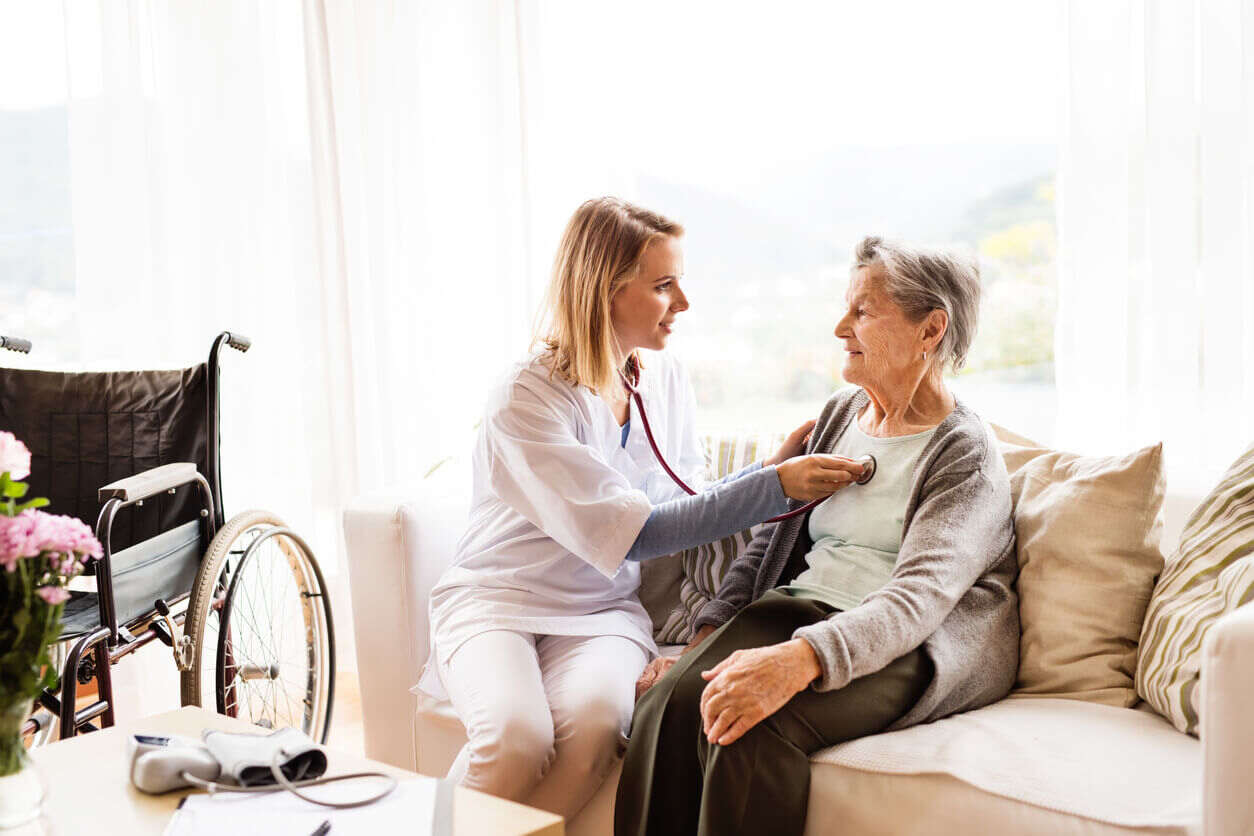
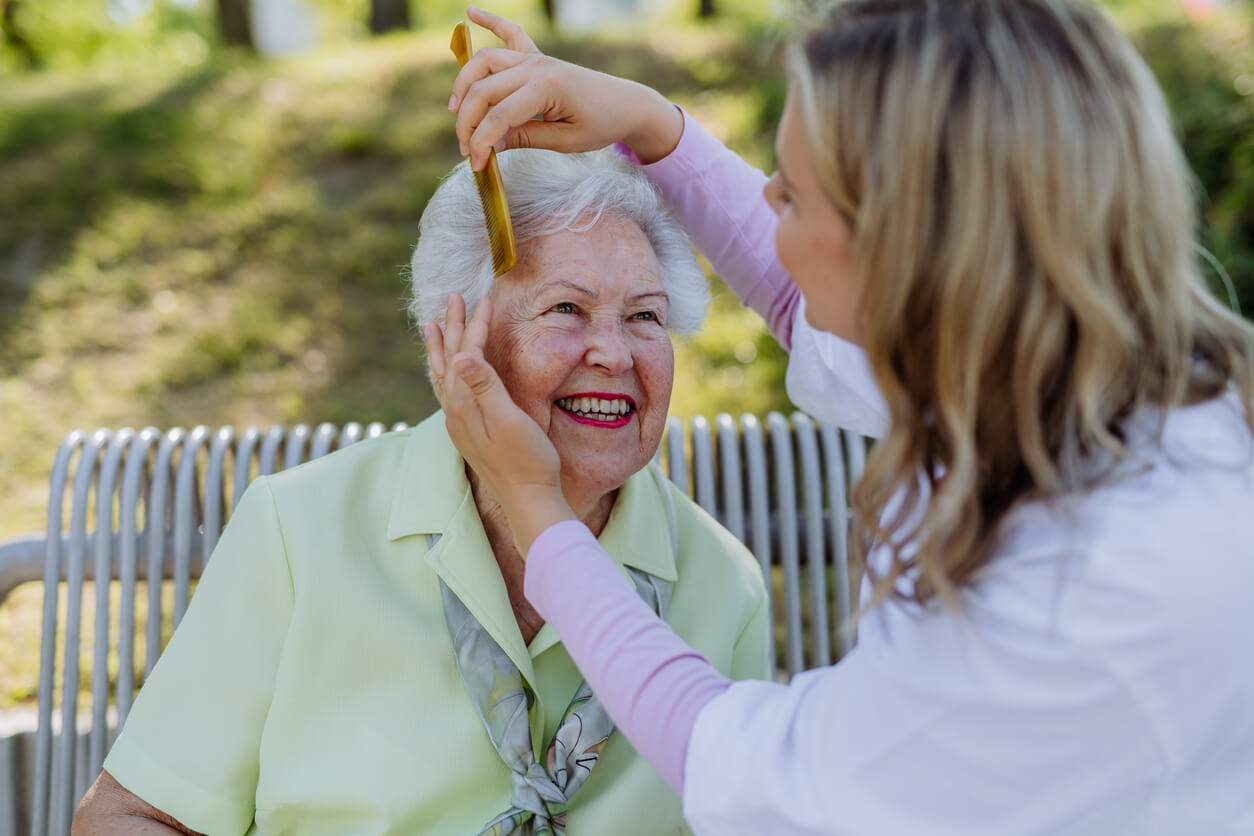
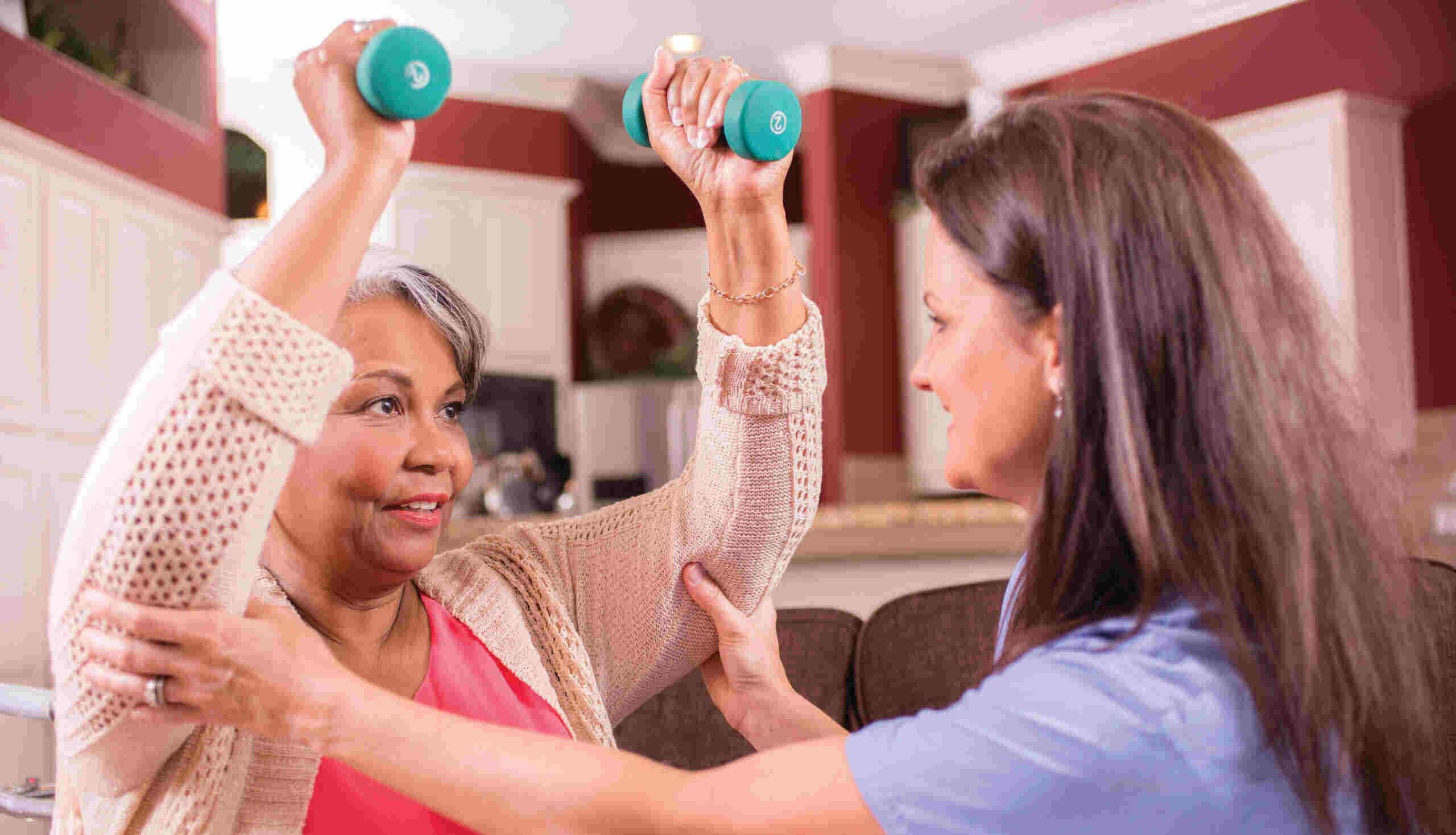
Home Health Aides (HHAs) complete a New York State-approved training program of at least 75 hours, including supervised clinical training. HHAs provide all the support a Companion caregiver does, plus hands-on personal care assistance, including bathing, dressing, grooming, incontinence care, and mobility and transfer assistance. With additional training, HHAs can also assist with certain health-monitoring tasks, such as vital-sign checks, medication reminders, and simple dressing changes, under the supervision of a registered nurse. The majority of Elegance at Home’s caregivers hold HHA certification.
Personal Care Aides (PCAs) complete a 40-hour training program and can also assist with personal care activities of daily living, such as bathing, dressing, grooming, incontinence care, and mobility assistance—though their scope does not extend to the health-monitoring tasks an HHA can perform. At Elegance at Home, we actively support PCAs in completing an HHA upgrade course so all caregivers can serve the full range of clients we support.
Not sure which level of care is right for your loved one? We assess each client individually and will recommend the appropriate level of care during your free consultation.